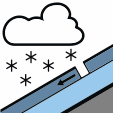
New snow
New snow and wind slab layers can release avalanches, including large ones, with single persons triggering them easily.
Bulletin for Monday 23 November from SLF · issued Sunday 18:00, valid until Monday 18:00
ConsiderableLevel 3 · above 2,200 m
Danger
Considerable
Above 2,200 m
Slopes
All aspects
Above 2,200 m
Problems
New snow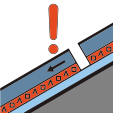 Persistent weak layer
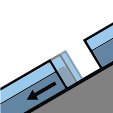 Gliding snow
Tomorrow, Tuesday
Considerable
No change
Written by AI from the official bulletin. Read it in full before you decide.
Danger level "considerable" (3+) in all aspects above 2,200m. Danger level "moderate" (2) in east to south to west facing aspects below 2,400m.
Single winter sport participants can release avalanches easily, including large ones. Natural avalanches are possible. The avalanches can be released in the new snow and wind slab layers. Additionally avalanches can also be triggered in the old snowpack. This applies especially on north and east facing slopes above approximately 2,600 m.
Backcountry touring calls for great caution and restraint.
On steep grassy slopes numerous gliding avalanches are to be expected, even large ones in isolated cases. Caution is to be exercised in areas with glide cracks.
Tuesday 24 November
ConsiderableNo change
A critical avalanche situation will persist. Even single winter sport participants can release dry avalanches in many places. These can be triggered in deeper layers and reach dangerously large size. Backcountry touring and other off-piste activities call for extensive experience in the assessment of avalanche danger and restraint.
Numerous gliding avalanches are to be expected. Caution is to be exercised in areas with glide cracks.
New snow and wind slab layers can release avalanches, including large ones, with single persons triggering them easily.
Weak old snow in the snowpack base can still be triggered by persons, especially on north and east slopes above about 2,600 m.
Numerous gliding avalanches are expected on steep grassy slopes, even large ones in isolated cases.
A large amount of new snow and wind drifted snow is being deposited on the snow layers from last week. Avalanches can be triggered both in the new snow layers and in those that are already somewhat older. Especially on north and east-facing slopes above approximately 2,600 m, coarse-grained, weak old snow is also present at the snow base. This is usually not yet sufficiently covered and can still be triggered by persons.
Published in English by SLF and shown as written; AvaRisk only arranges it. AvaRisk shows this bulletin for information only; always consult official sources and use your own judgement in avalanche terrain. Send an observation to SLF.
Official bulletin at SLF